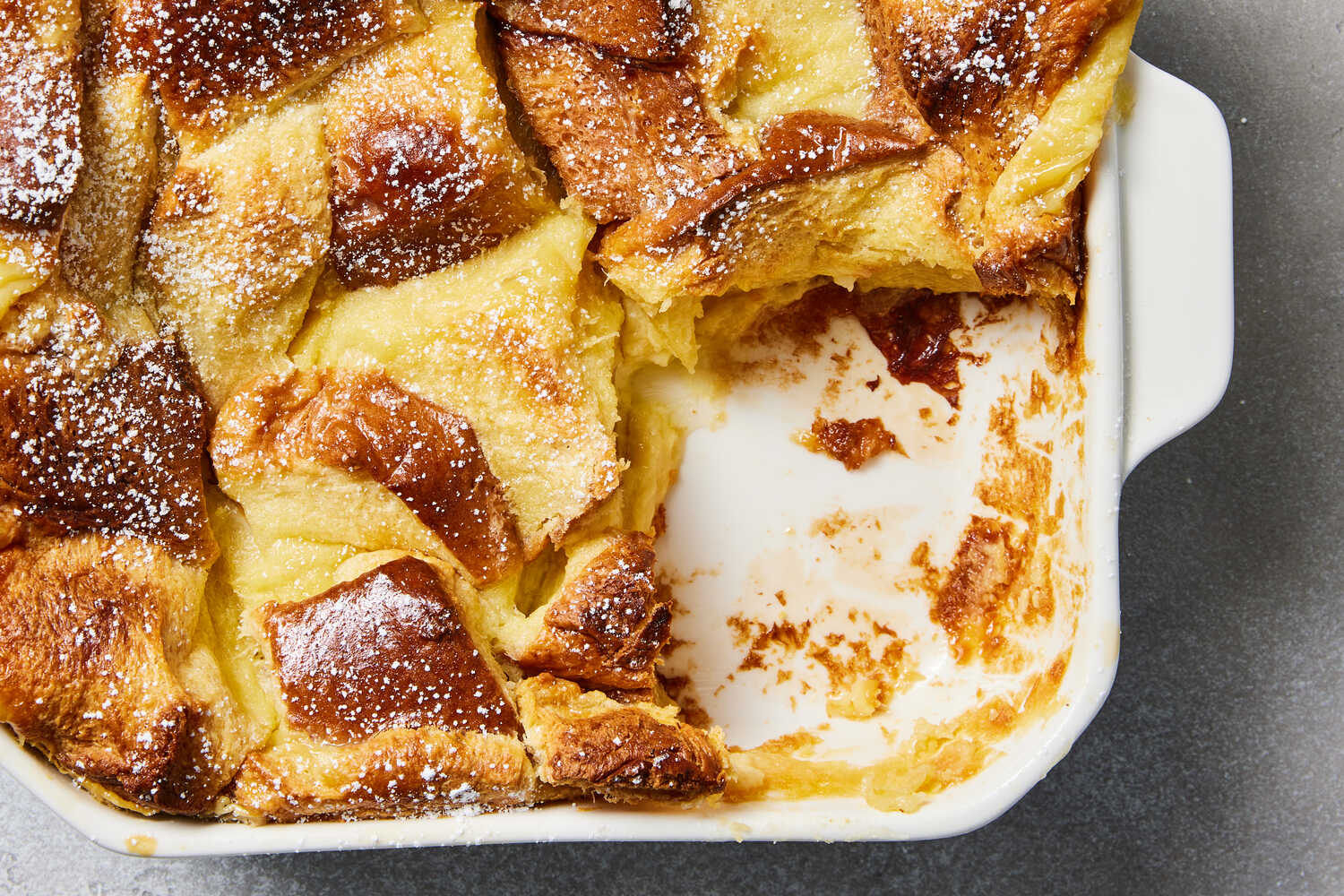
The Enduring Charm of Bread Pudding: A Timeless Sweet Treat
In the culinary world, few desserts embody comfort, resourcefulness, and sheer deliciousness quite like bread pudding. This humble yet incredibly satisfying sweet treat is a testament to the magic of transforming simple ingredients – specifically, day-old bread – into something truly extraordinary. Far from being just a way to avoid waste, a well-made bread pudding stands proudly as a sophisticated dessert, capable of satisfying the sweetest tooth and warming the soul, especially on a chilly winter evening.
The beauty of bread pudding lies in its remarkable versatility and the profound sense of nostalgia it evokes. Imagine digging into a warm, creamy slice, infused with the inviting aromas of cinnamon and nutmeg, perhaps even a hint of vanilla. It's a dish that effortlessly adapts to various occasions, making a splendid brunch centerpiece when served alongside a vibrant fruit compote, or becoming an undeniably decadent dessert with the addition of chocolate chips or a rich sauce. Whether you're a seasoned baker or just starting your culinary journey, mastering the art of bread pudding is a rewarding experience that promises delicious returns.
The Art of Transforming Stale Bread into a Culinary Masterpiece
At its heart, bread pudding is a celebration of transformation. It’s the ultimate proof that forgotten loaves can be reborn into a dessert without much fuss. This principle of turning seemingly unusable ingredients into something delightful is an age-old tradition, and bread pudding perfects it. The journey from stale bread to a sublime dessert is surprisingly straightforward: cut your bread into bite-sized pieces, immerse them in a rich custard, and bake until golden and fragrant.
This dessert isn't just an economical choice; it's a flavorful one. The slight dryness of stale bread is not a hindrance but an advantage, as it creates the ideal canvas for soaking up the luscious custard mixture. This absorption is key to achieving that signature moist, tender interior that defines a truly exceptional bread pudding. Without this crucial step, you risk a soggy, unappealing outcome. The transformation is complete when a simple vanilla sauce, a dusting of powdered sugar, or a dollop of whipped cream elevates the dish from rustic to refined, fulfilling its promise as the perfect way to satisfy a sweet craving. For more foundational insights into preparing this classic, explore bread pudding - Article 1.
Crafting the Perfect Custard: The Heart of Your Bread Pudding
While the bread forms the structural foundation, the custard is undoubtedly the soul of any magnificent bread pudding. This creamy, sweet mixture is what imbues the bread with moisture, flavor, and that irresistible melt-in-your-mouth texture. Achieving the perfect custard, however, requires a delicate balance, particularly concerning the ratios of milk and eggs.
Through extensive testing, culinary experts have found that less is often more when it comes to the liquid components. Too much milk that doesn't fully absorb into the bread can result in a watery layer at the bottom of your pudding, leading to an unappetizing, separated appearance. Conversely, an excessive amount of eggs can make the pudding taste overly "eggy" and breakfast-like, detracting from its dessert appeal. The ideal recipe strikes a harmonious balance, creating a rich, creamy custard that fully saturates the bread without becoming a distinct, separated layer.
Beyond the fundamental milk and egg balance, the custard offers a prime opportunity for flavor infusion. Classic spices like cinnamon, nutmeg, and allspice are non-negotiable for many, conjuring warm, inviting aromas reminiscent of traditional home baking. A hint of cardamom can add an exotic, sophisticated note. Pure vanilla extract, of course, is essential, lending its sweet, aromatic essence that complements the spices beautifully. Consider enhancing the depth with brown sugar instead of just white, or even a splash of bourbon or rum for an adult twist. The custard is where you truly begin to personalize your bread pudding, making it taste just like "Grandma used to make" – or even better!
Choosing Your Bread and Mastering the Soak
The success of your bread pudding hinges significantly on your choice of bread and the crucial step of soaking. As the name suggests, bread is not merely an ingredient; it's the very canvas upon which this dessert is painted. And surprisingly, fresh bread is not your friend here.
Why Stale Bread is Essential: Stale bread is paramount because its drier, firmer texture allows it to act like a sponge, readily soaking up the rich custard mixture. This absorption is critical for achieving a consistently moist and tender pudding, preventing that undesirable watery, separated layer at the bottom of the pan. If you only have fresh bread on hand, don't despair! You can easily stale it yourself by spreading cut pieces evenly on a baking sheet and toasting them in a 200°F (93°C) oven for about 15 minutes. The goal is dryness, not crispiness.
Selecting the Right Bread Type:
- Bakery Breads (French, Challah, Brioche): These often yield the fluffiest and most luxurious bread puddings. Their slightly denser crumb and often richer flavor (especially brioche and challah) contribute significantly to the final texture and taste. When stale, they absorb the custard beautifully and hold their structure during baking.
- Leftover Sandwich Bread: While perhaps not as "gourmet" as brioche, standard sandwich bread works perfectly well. It's an excellent option for using up what you have and still produces a comforting and delicious result.
- Hot Dog and Hamburger Buns: Don't overlook these! Their soft, absorbent nature makes them surprisingly good candidates for bread pudding, proving just how versatile this recipe can be.
Regardless of your choice, cut your bread into bite-sized pieces – about 1-inch cubes are ideal. Once the bread is in your baking dish, pour the custard over it. Initially, the bread might float, but this is normal. Allow it to sit and soak for at least 20-30 minutes, or even longer in the refrigerator, until the bread is thoroughly moist and has absorbed most of the liquid, no longer floating on the surface. This patient soaking period ensures that every morsel of bread is infused with flavor, promising a uniform and delightful texture in every bite. Discover more advanced techniques and variations in bread pudding - Article 2.
Elevating Your Bread Pudding: Customization and Finishing Touches
Once you’ve mastered the basics of custard and bread preparation, the world of bread pudding truly opens up to endless customization. This is where you can let your creativity shine and tailor the dessert to your exact preferences or whatever ingredients you have on hand.
Infusing Flavors and Textures:
- Fruits: Fresh or dried fruits are classic additions. Consider plump raisins, dried cranberries, chopped apples, peaches, or even berries. They add bursts of flavor and varying textures. For a truly decadent experience, plump your dried fruit in a little rum or brandy before adding it to the mix.
- Chocolate: A handful of chocolate chips, whether dark, milk, or white, transforms the pudding into an utterly luxurious affair. The melting chocolate creates pockets of gooey richness that are hard to resist.
- Nuts: Toasted pecans, walnuts, or almonds can add a delightful crunch and nutty flavor, contrasting beautifully with the soft pudding.
- Citrus Zest & Liqueurs: A finely grated zest of orange or lemon can brighten the flavors. For an adult-oriented pudding, a splash of bourbon, rum, or Grand Marnier in the custard or drizzled over the baked pudding can add an incredible depth of flavor.
Achieving Baking Perfection:
When your bread pudding is baking, keep an eye on it. It’s done when it's jiggly but set in the center, and the middle has fully risen. Since every oven behaves differently, you might need to adjust the bake time slightly. A good rule of thumb is to look for a golden-brown top and edges. If the center still looks sunken or overly wet, it likely needs a few more minutes.
For those who love a textural contrast, a crisp top adds another layer of enjoyment. To achieve this, simply bake your bread pudding for an extra 2-4 minutes with the oven temperature increased to 400°F (200°C) and the pan moved to the top rack. This quick blast of high heat will caramelize the top, creating a beautiful, slightly crunchy crust while keeping the interior moist and tender.
Serving Suggestions:
Bread pudding is versatile in its serving too. For a brunch spread, a fresh fruit compote or a light berry sauce is a perfect complement. As a dessert, nothing beats a warm slice drizzled with a simple vanilla sauce (often made from a little milk, sugar, and vanilla), a scoop of vanilla bean ice cream, a generous dollop of freshly whipped cream, or a rich caramel sauce. The warmth of the pudding against the cool accompaniments is pure bliss.
Conclusion
From its humble origins as a thrifty way to use leftover bread, bread pudding has blossomed into a beloved dessert that offers immense comfort and culinary satisfaction. Its adaptability, from the choice of bread to the vast array of customizable additions and flavor profiles, ensures that there’s a perfect bread pudding out there for everyone. By understanding the critical elements – from the precise custard ratio to the importance of stale bread and the art of soaking – you can consistently create a dish that is both nostalgic and irresistibly delicious. So next time you find yourself with a slightly aged loaf, don't discard it; transform it into a magnificent bread pudding, and savor the warm, sweet reward.
